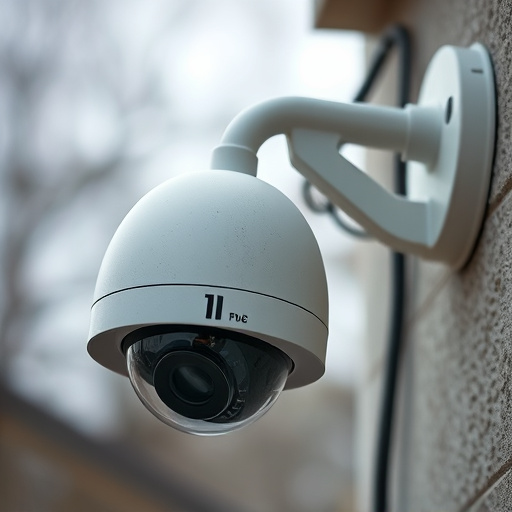
Fake security camera mounting brackets mimic genuine hardware to deceive intruders and maintain a sense of security. These replicas, made with realistic materials and finishing touches, blend into environments. Strategically placed, they mislead potential thieves while deterring crime by creating an authentic-looking security setup.
In today’s digital age, security cameras are ubiquitous, but their effectiveness relies not just on technology, but also on clever placement. This article explores the art of realistic security camera shell design, focusing on how to avoid the pitfalls of fake mounting brackets commonly used for deception. We delve into essential design considerations, effective placement strategies, and camouflage techniques to enhance security without raising suspicions.
- Understanding Fake Security Camera Mounts
- Design Considerations for Realistic Shells
- Effective Placement and Camouflage Techniques
Understanding Fake Security Camera Mounts
Fake security camera mounting brackets have become a growing concern in the field of surveillance technology. These imitation devices are designed to look like genuine security cameras, but their primary purpose is deceptive—to lure unsuspecting individuals into believing they’re under constant observation. However, upon closer inspection, these “fake” mounts often reveal telltale signs that expose their true nature, such as flimsy construction and visible differences in design compared to authentic counterparts.
For businesses and homeowners alike, it’s essential to be aware of these fake mounting brackets. They can compromise the integrity of a security system by creating false senses of security and potentially enabling malicious activities. Recognizing the subtle differences and understanding the market for these deceptive devices is key to maintaining a robust security setup.
Design Considerations for Realistic Shells
When designing realistic security camera shells, especially Fake Security Camera Mounting Brackets, several key considerations come into play. The primary goal is to create a convincing replica that seamlessly blends with its surroundings, fooling both casual observers and potential intruders. This involves paying meticulous attention to detail, from the material used—ensuring it matches the environment, be it metal for industrial areas or plastic for residential settings—to the precise dimensions and finish of the mounting brackets.
Moreover, functionality should not be overlooked. The design must allow for easy installation and adjustments while maintaining stability and security. Incorporating subtle features like subtle branding or model numbers on the shell can add an extra layer of realism without compromising the overall deception. This blend of aesthetic appeal and practical considerations ensures that these fake mounting brackets serve their intended purpose—deterring crime and enhancing home or business security—without revealing their true nature.
Effective Placement and Camouflage Techniques
Effective security camera placement is key to a successful surveillance system, and one often-overlooked element is the use of realistic fake mounting brackets. These brackets serve as decoys, strategically positioned to mislead potential intruders. By placing them in plain sight, near genuine cameras or in areas where a security system is expected, you create a false sense of security, making it less likely for criminals to target your property.
Camouflage techniques play a significant role here. Realistic fake brackets can be designed to mimic actual camera equipment, blending seamlessly with the environment. This could involve replicating the look and texture of common mounting hardware, or even incorporating LED lights to mimic the glow of active cameras. When combined with other camouflage strategies, like strategically placed plants or decorative objects, these decoy brackets can help create an authentic-looking security setup, deterring would-be thieves from identifying and disabling your actual surveillance equipment.
In conclusion, designing realistic security camera shells goes beyond aesthetics; it’s about creating authentic-looking mounts that blend seamlessly into their environment. By understanding the vulnerabilities of fake security camera mounting brackets and considering key design elements, you can enhance surveillance effectiveness while minimizing the risk of false alarms or criminal activity. Effective placement and camouflage techniques further solidify these systems’ usefulness in today’s security landscape.